Understanding the Classic Decorative Frame: Art Deco Pattern and Its Design Applications
The visual language of the 1920s and 1930s continues to exert a profound influence on modern graphic design, interior styling, and branding. At the heart of this enduring aesthetic is the Classic Decorative Frame: Art Deco Pattern. Characterized by geometric precision, symmetrical layouts, and luxurious motifs, these borders serve as more than mere embellishments; they act as structural elements that define space and elevate content. When designers seek assets described as "Art deco pattern border isolated on white background," they are typically looking for versatile digital resources available in formats like EPS, JPG, SVG, and transparent PNG. Understanding the nuances of these files and how they compare to other decorative styles is essential for making informed creative decisions.
Defining the Aesthetic and Technical Characteristics
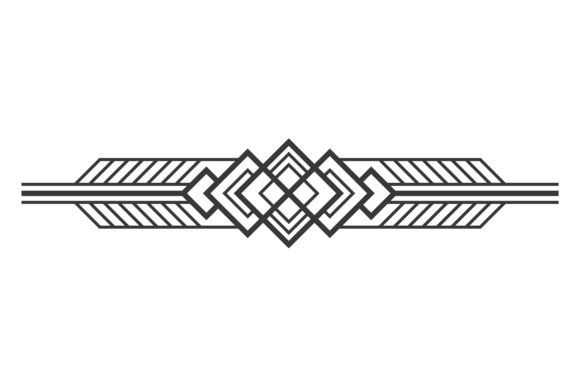
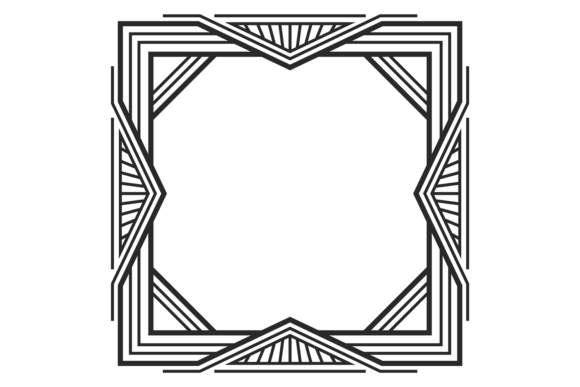
To effectively utilize a Classic Decorative Frame: Art Deco Pattern, one must first distinguish it from other ornamental styles. Unlike the organic, flowing lines of Art Nouveau or the rustic imperfections of Victorian filigree, Art Deco is defined by its celebration of the machine age. The patterns often feature stepped forms, chevrons, sunbursts, and stylized floral elements rendered with sharp, clean lines. This distinct geometry creates a sense of order, glamour, and sophistication.
From a technical standpoint, the value of these assets lies in their file formats. A high-quality collection will offer an EPS (Encapsulated PostScript) or SVG (Scalable Vector Graphics) version alongside raster images like JPG and transparent PNG. The vector formats (EPS and SVG) are critical for professional applications because they allow the border to be scaled infinitely without losing resolution. This is vital for large-format printing, such as event backdrops or building signage. Conversely, the transparent PNG is indispensable for digital workflows, allowing the frame to be overlaid on photographs or colored backgrounds without a visible white box, provided the source file was indeed isolated correctly.
Comparing Art Deco Frames to Alternative Design Styles
When evaluating border options, the Classic Decorative Frame: Art Deco Pattern occupies a specific niche that differs significantly from other popular categories. Making the right choice depends heavily on the tone you wish to convey.
- Art Deco vs. Victorian: Victorian frames are typically heavy, intricate, and asymmetrical, evoking a sense of history and tradition. They work well for heritage brands or gothic themes. In contrast, Art Deco frames are streamlined and bold. If your project requires a feeling of modernity, luxury, or forward momentum, Art Deco is the superior choice. However, if the goal is to evoke warmth and old-world craftsmanship, the complexity of Victorian styles may be more appropriate.
- Art Deco vs. Minimalist: Modern minimalist borders often consist of simple lines or no border at all, relying on whitespace for impact. While minimalist approaches are excellent for tech startups or clean editorial layouts, they can sometimes feel too stark for celebratory events or luxury product packaging. An Art Deco pattern adds a layer of richness and texture that minimalism intentionally avoids, providing a "finished" look that commands attention.
- Art Deco vs. Hand-Drawn Sketches: Hand-drawn borders offer a personal, artisanal touch suitable for organic products or casual invitations. The rigid precision of an Art Deco pattern, usually created with digital tools or strict drafting rules, conveys authority and high-end polish. It is less about the human hand and more about industrial elegance.
Evaluating File Formats for Specific Use Cases
The decision to download a specific file type—EPS, JPG, SVG, or PNG—should be driven by the intended application of the Classic Decorative Frame: Art Deco Pattern. Misunderstanding these formats can lead to poor output quality or unnecessary workflow complications.
Vector Formats (EPS and SVG): These are the gold standard for print design. If you are designing a wedding invitation suite, a menu card, or a product label that will be professionally printed, you should prioritize the EPS or SVG file. These formats allow you to change the color of the border instantly to match brand guidelines (e.g., changing a gold stroke to rose gold) without degrading the image. Furthermore, because the pattern is mathematically defined rather than pixel-based, it remains crisp regardless of size.
Raster Formats (JPG and Transparent PNG): These are best suited for web design, social media graphics, or quick mockups. A JPG file is universally compatible but lacks transparency; it will always have a solid background (usually white). This makes it difficult to place over non-white designs without obvious editing. A transparent PNG solves this issue, offering a ready-to-use overlay for digital compositions. However, users must be cautious with resolution. A low-resolution PNG will appear pixelated when enlarged, whereas an SVG would remain perfect. Therefore, for high-stakes digital projects where scaling might occur, SVG is still preferable if the platform supports it.
Strategic Applications and Best-Fit Scenarios
Knowing when to deploy a Classic Decorative Frame: Art Deco Pattern is as important as knowing how to edit it. This style is not a universal solution; it shines brightest in contexts that benefit from its inherent associations with glamour, stability, and luxury.
Ideal Use Cases:
- Luxury Branding: High-end cosmetics, jewelry, and fashion labels often utilize Art Deco borders to signal exclusivity. The geometric precision suggests quality control and timeless appeal.
- Event Stationery: Weddings, galas, and anniversary parties frequently adopt this style to create a "Great Gatsby" atmosphere. The frame acts as a container that elevates the perceived value of the invitation.
- Cocktail Menus and Packaging: In the hospitality industry, Art Deco patterns on menus or bottle labels can instantly transport the customer to a speakeasy environment, enhancing the thematic experience.
- Certificate and Award Design: The formal symmetry of Art Deco lends itself well to official documents, providing a border that looks authoritative yet decorative.
Limitations and Tradeoffs:
Despite its versatility, the Art Deco style has limitations. It can feel cold or overly rigid if used in contexts requiring softness, approachability, or playfulness. For example, a children's book or a community wellness flyer might feel disconnected from the audience if framed in sharp, metallic-looking geometric patterns. Additionally, because the style is so recognizable, overuse can lead to a cliché appearance, particularly in industries where "vintage luxury" is a common trope. Designers must ensure that the pattern complements the typography and imagery rather than competing with them. A highly detailed Art Deco border paired with a complex serif font can result in visual clutter; often, pairing it with clean, sans-serif typography creates a more balanced, modern-vintage hybrid look.
Making the Final Selection
Ultimately, choosing a Classic Decorative Frame: Art Deco Pattern involves balancing aesthetic goals with technical requirements. If your project demands scalability and color flexibility for print, the EPS or SVG versions are non-negotiable. If speed and ease of use for digital media are paramount, a high-resolution transparent PNG is sufficient.
When comparing this style to alternatives, ask yourself: Does the project require the assertive elegance of the machine age, or does it need the organic warmth of nature-inspired designs? If the answer leans toward structure, luxury, and a touch of historical glamour, the Art Deco pattern is likely the optimal resource. By understanding the distinct characteristics of the style and the capabilities of the various file formats, creators can integrate these classic elements into contemporary designs with confidence and precision.