Evaluating Decorative Geometric Ornament in Art Deco Design
The visual language of the early 20th century continues to exert a profound influence on contemporary design, particularly through the lens of Decorative Geometric Ornament. Rooted in the Art Deco movement, this style is characterized by its reliance on symmetry, bold lines, and repetitive patterns that evoke a sense of order and modernity. For designers, architects, and brand strategists evaluating aesthetic directions, understanding the nuances of these geometric forms is essential. The availability of high-quality assets, such as Art Deco style borders isolated on white background in formats like EPS, JPG, SVG, and transparent PNG, has made integrating this historic style into modern projects more accessible than ever. However, selecting this aesthetic requires a balanced assessment of its strengths, limitations, and contextual fit.
Defining the Aesthetic and Its Core Characteristics
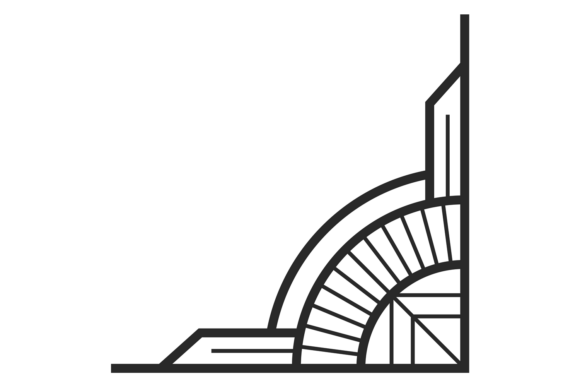
At its core, Decorative Geometric Ornament within the Art Deco tradition represents a departure from the organic, flowing lines of the preceding Art Nouveau era. Instead, it embraces the machine age, utilizing sharp angles, zigzags, chevrons, sunbursts, and stepped forms. When evaluating an Art Deco piece, one looks for precision and rhythm. The ornamentation is rarely random; it is calculated to create a sense of movement and luxury without excessive clutter.
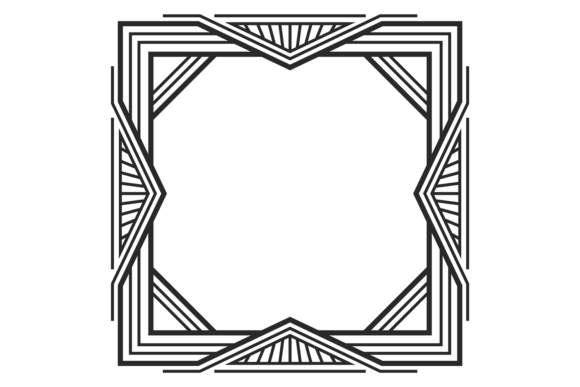
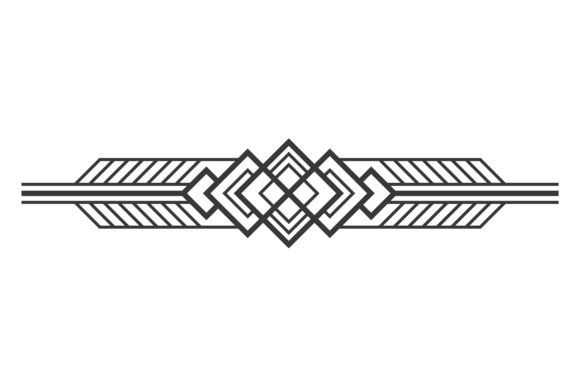
The digital reproduction of these elements, often found as vector files (SVG, EPS) or raster images (JPG, PNG), allows for scalability and versatility. An Art Deco style border isolated on white background serves as a foundational element that can frame content, separate sections, or act as a standalone graphic motif. The "isolated" nature of these assets is crucial for evaluation, as it ensures the designer can layer the ornament over various textures and colors without unwanted background interference, maintaining the crisp integrity of the geometric lines.
Reasons for Interest and Strategic Applications
Why do modern creators continue to seek out Decorative Geometric Ornament? The primary driver is the style's ability to convey sophistication and timelessness. Unlike fleeting trends, Art Deco carries historical weight, associating a project with the glamour of the 1920s and 30s. This makes it a strong candidate for industries aiming to project stability, luxury, or heritage.
Furthermore, the geometric nature of the style offers excellent readability and structural clarity. In web design or print layouts, an Art Deco border can guide the eye effectively without overwhelming the primary content. The rigid structure of the geometry provides a subconscious sense of reliability. For branding purposes, utilizing these ornaments can differentiate a company in a market saturated with minimalist or hand-drawn aesthetics, offering a distinct visual identity that feels both classic and bold.
Benefits and Practical Advantages
One of the significant benefits of incorporating Decorative Geometric Ornament is its adaptability across different media. Because the style relies on fundamental shapes, it translates well from large-scale architectural facades to small-scale digital icons. When sourced as an Art Deco style border isolated on white background in vector formats like EPS or SVG, the artwork remains crisp at any resolution. This scalability is a critical technical advantage for responsive web design and large-format printing.
Additionally, the transparency offered by PNG files allows for seamless integration into complex layouts. Designers can place these geometric elements over photographs, gradients, or textured backgrounds while retaining the sharp contrast that defines the style. This flexibility reduces production time, as there is no need to manually mask or trace elements, allowing teams to focus on composition and hierarchy.
Tradeoffs and Considerations
Despite its appeal, adopting an Art Deco aesthetic involves specific tradeoffs that must be weighed carefully. The most notable consideration is the risk of cliché. Because the style is so recognizable, improper application can make a project feel like a period piece or a theme party rather than a contemporary design. Overuse of heavy geometric borders can also create visual noise, potentially distracting from the core message or reducing whitespace, which is vital for modern user experience.
Another factor is color dependency. Traditional Art Deco often relies on high-contrast palettes, such as black and gold or deep navy and silver. While effective, these combinations may not align with every brand's existing color strategy. Adapting Decorative Geometric Ornament to softer or non-traditional palettes requires careful testing to ensure the geometric impact is not lost. Furthermore, while vector files offer scalability, raster formats like JPG may suffer from quality loss if resized incorrectly, necessitating a vigilant approach to asset management.
Situations Where Art Deco is a Strong Fit
Certain contexts naturally align with the strengths of Decorative Geometric Ornament. It is an exceptional choice for hospitality venues, such as hotels, bars, and restaurants, aiming to evoke a sense of vintage glamour or speakeasy ambiance. In the luxury goods sector, including jewelry, fashion, and high-end real estate, the style reinforces perceptions of exclusivity and craftsmanship.
It is also highly effective in editorial design for invitations, certificates, and packaging where a formal, celebratory tone is required. Here, an Art Deco style border isolated on white background can instantly elevate the perceived value of the document or product. In digital interfaces, it works well for landing pages promoting events, galas, or premium services where the goal is to create an immediate impression of elegance and structured beauty.
When to Consider Alternatives
Conversely, there are scenarios where Art Deco may not be the optimal choice. For brands targeting a youthful, casual, or eco-conscious demographic, the rigid and sometimes opulent nature of geometric ornamentation might feel disconnected or overly formal. In these cases, organic shapes, hand-lettering, or minimalist flat design might resonate more authentically with the audience.
Additionally, in information-heavy environments such as technical documentation, data dashboards, or utility apps, decorative borders can impede functionality. If the primary goal is rapid information retrieval and maximum clarity, the ornamental aspects of Art Deco could be viewed as superfluous. In such instances, a cleaner, unadorned layout ensures that the user's cognitive load is minimized, prioritizing function over form.
Making the Decision
Ultimately, the decision to utilize Decorative Geometric Ornament should stem from a clear alignment between the style's inherent qualities and the project's objectives. Evaluators should ask whether the association with the Roaring Twenties enhances or detracts from their brand narrative. They must consider the technical requirements: will the asset be scaled frequently? Is a transparent background necessary for layering?
By critically assessing the balance between aesthetic impact and functional utility, designers can determine if an Art Deco approach is the right strategic move. When used judiciously, these geometric forms provide a powerful tool for communication, bridging the gap between historical elegance and modern design needs. Whether selecting an EPS file for a large print run or a PNG for a web banner, the key lies in respecting the geometry's structure while ensuring it serves the broader goals of the project.