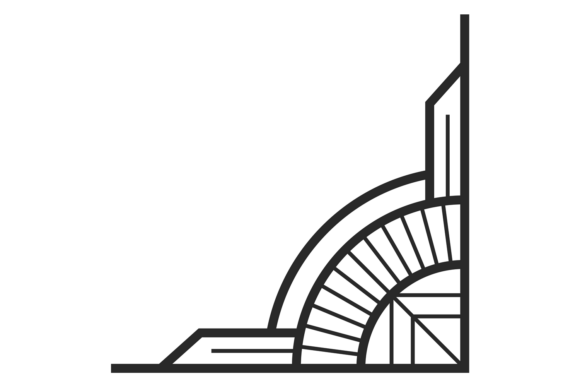
Decorative Geometric Corner: Classic Mod Design
In the world of visual communication, the difference between a design that feels amateurish and one that exudes professionalism often lies in the details. While many creators focus heavily on typography or color palettes, they frequently overlook the structural elements that frame their content. This is where the Decorative Geometric Corner. Classic Mod becomes an invaluable asset. These are not merely ornamental additions; they are functional design tools that provide structure, guide the eye, and establish a cohesive visual identity without overwhelming the primary message.
For professionals ranging from graphic designers and marketers to small business owners and educators, understanding how to leverage these assets can significantly streamline workflow and elevate output quality. The specific appeal of the classic modern line border style lies in its versatility. Unlike intricate Victorian flourishes or overly complex illustrative borders, geometric corners offer a clean, timeless aesthetic that adapts seamlessly to both digital screens and print media.
Elevating Brand Consistency Across Channels
One of the most persistent challenges for entrepreneurs and marketers is maintaining brand consistency across diverse platforms. A social media post, a printed brochure, and a website landing page often require different layouts, yet they must feel undeniably part of the same family. Utilizing a standardized set of decorative geometric corner elements provides an immediate visual anchor. When you apply the same corner motif to your Instagram stories, your email newsletters, and your physical business cards, you create a subconscious link for your audience.
The "Classic Mod" style, characterized by clean lines and balanced proportions, works particularly well for modern brands that wish to appear established yet forward-thinking. Because these elements are typically available as EPS, JPG, SVG, and transparent PNG files, they integrate effortlessly into various design ecosystems. For instance, an SVG file ensures that your branding remains crisp on high-resolution retina displays, while a transparent PNG allows for quick drag-and-drop usage in social media scheduling tools without needing advanced editing software.
Streamlining Content Creation Workflows
Time is a scarce resource for freelancers, bloggers, and content creators. Starting every new project from a blank canvas is inefficient and can lead to creative fatigue. By incorporating pre-designed assets like the classic modern line border isolated on white background, creators can drastically reduce the time spent on layout decisions. Instead of wrestling with vector tools to draw perfect angles or searching for free resources that lack commercial licensing, professionals can deploy these ready-made elements to frame their content instantly.
Consider the workflow of an educator creating lesson plans or a consultant preparing a client proposal. The goal is to present information clearly and authoritatively. Using geometric corners to frame key takeaways, quotes, or section headers adds a layer of polish that suggests careful preparation. This approach allows the creator to focus their cognitive energy on the substance of the content—the data, the narrative, or the educational value—rather than getting bogged down in decorative minutiae.
Practical Applications for Diverse Industries
The utility of these geometric elements extends far beyond traditional graphic design. Their neutral yet stylish nature makes them suitable for a wide array of industries:
- Real Estate: Agents can use these corners to frame property highlights in flyers, giving listings a structured, premium look that draws attention to square footage or key features.
- Wedding and Event Planning: For invitations and menus, the classic modern line offers a sophisticated backdrop that complements elegant typography without competing with it.
- Tech Startups: The geometric precision aligns well with tech branding, offering a way to soften rigid data presentations in pitch decks while maintaining a modern edge.
- Publishing: Authors and self-publishers can utilize these borders to define chapter openings or sidebars in eBooks and print books, improving readability and visual hierarchy.
The key to successful implementation is recognizing that these corners serve as a supporting cast. They should enhance the main subject, whether it is a photograph of a product, a block of text, or a data chart. The isolation on a white background in the source files ensures that users can easily recolor the lines to match specific brand guidelines, providing flexibility that static images often lack.
Navigating File Formats for Maximum Flexibility
Understanding the technical specifications of your assets is crucial for achieving professional results. The availability of Decorative Geometric Corner. Classic Mod in multiple formats addresses different stages of the production process. The EPS (Encapsulated PostScript) format is essential for print professionals. It allows for infinite scaling without loss of quality, making it ideal for large-format printing such as banners or storefront signage. If you need to adjust the stroke weight or change the color profile for CMYK printing, the EPS file is your go-to resource.
Conversely, the SVG (Scalable Vector Graphics) format is the gold standard for web development. It ensures that your borders look sharp on any device, from a mobile phone to a 4K monitor, and keeps file sizes small for faster page loading speeds. For those who need speed and simplicity, the JPG and transparent PNG options are perfect for quick integration into presentation software like PowerPoint or Keynote, or for use in social media graphics where vector editing is not feasible. Having access to this full suite of formats eliminates the friction of converting files and ensures you always have the right tool for the job.
Balancing Aesthetics with Functionality
While the benefits of using decorative corners are clear, it is important to exercise restraint. A common pitfall for enthusiastic designers is over-decoration, which can clutter the visual field and distract from the core message. The "Classic Mod" style is inherently minimal, which helps mitigate this risk, but context still matters. In situations where the content is dense, such as a legal document or a technical manual, heavy borders might impede readability. In these cases, using the corners sparingly—perhaps only on the cover page or to highlight critical summaries—is the most effective strategy.
Furthermore, users should consider the medium. On a mobile screen, real estate is limited. A border that looks elegant on a desktop monitor might consume too much valuable space on a smartphone. The advantage of vector-based formats like SVG and EPS is the ability to scale these elements down proportionally, ensuring they remain subtle and effective regardless of the viewport. Always test your designs across different devices to ensure the decorative elements enhance rather than hinder the user experience.
Ultimately, the decision to incorporate Decorative Geometric Corner. Classic Mod elements into your projects should be driven by a desire for clarity and cohesion. These tools offer a shortcut to a polished aesthetic, allowing creators to communicate with greater authority and efficiency. Whether you are framing a wedding invitation, structuring a corporate report, or designing a social media campaign, the right geometric accent can transform a simple layout into a compelling visual story. By selecting high-quality, versatile assets and applying them with intention, you can solve common design problems and achieve a level of professionalism that resonates with your audience.