Strategic Applications of Simple Yellow Flower Decorative Botanic Assets in Modern Design
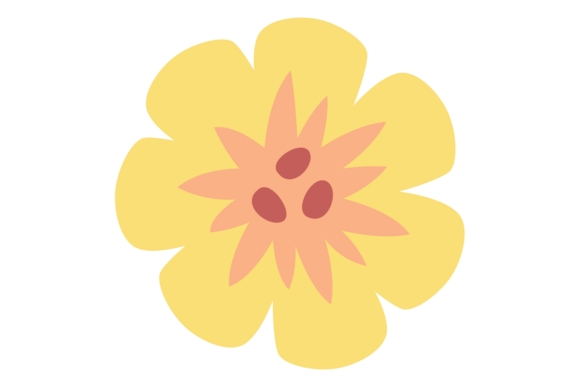
In the crowded landscape of digital and print media, the decision to incorporate specific visual elements is rarely just about aesthetics; it is a strategic choice that influences brand perception, user engagement, and operational efficiency. The Simple Yellow Flower. Decorative Botanic represents more than a mere illustration of flora. It is a versatile design asset—often available as a vector cartoon flat style isolated illustration in EPS or JPG formats—that serves as a functional tool for entrepreneurs, marketers, and creators aiming to refine their visual communication. When approached with intention, this specific botanical element can streamline production workflows, enhance seasonal campaigns, and reinforce brand positioning without the cognitive load associated with complex imagery.
The utility of the Simple Yellow Flower. Decorative Botanic lies in its simplicity. In an era where attention spans are fragmented, clean, flat-style graphics cut through the noise. Unlike photorealistic images that demand high bandwidth and careful context management, a doodle drawing or graphic plant rendered in a flat vector style offers immediate clarity. For small business owners and freelancers managing tight deadlines, this clarity translates directly into productivity. The asset can be deployed across social media posts, website headers, email newsletters, and packaging designs with minimal adjustment, ensuring consistency while reducing the time spent on asset manipulation.
Aligning Visual Simplicity with Strategic Goals
Integrating the Simple Yellow Flower. Decorative Botanic into your broader content strategy requires a clear understanding of your objectives. Are you aiming to evoke the freshness of spring and summer? Do you need a neutral yet cheerful element to break up text-heavy reports? Or perhaps you are seeking to soften a corporate brand identity to appear more approachable? The yellow hue specifically carries psychological weight; it signals optimism, energy, and warmth. When used deliberately, this color palette can guide the viewer's emotional response before they even read a headline.
For educators and publishers, these decorative botanical elements serve as excellent pedagogical tools. They can illustrate concepts related to nature, growth, or seasons without distracting from the core educational material. The "doodle" aspect of the style suggests informality and creativity, making complex topics feel more accessible. However, the strategic value diminishes if the placement is random. A thoughtful approach involves mapping out where these elements add value. For instance, using the flower as a bullet point in a list of growth metrics creates a subtle thematic link between the visual and the data, reinforcing the message of organic development.
Operational Efficiency and Asset Management
From an operations standpoint, relying on high-quality, isolated vector illustrations like the Simple Yellow Flower. Decorative Botanic reduces friction in the design process. Because these assets are typically provided in EPS formats, they are infinitely scalable without loss of quality. This is crucial for professionals who need to adapt a single design for everything from a business card to a billboard. The "isolated" nature of the illustration means there are no background artifacts to remove, saving hours of editing time for graphic designers and marketing teams.
Consider the workflow of a content creator planning a quarter's worth of social media posts. By establishing a library of consistent botanical elements, including the simple yellow flower, they create a visual shorthand that audiences begin to recognize. This repetition builds brand equity. Instead of sourcing new, disparate images for every post—a practice that often leads to a disjointed brand voice—the creator uses variations of the same botanical theme. This method supports long-term results by fostering brand recall and trust.
- Scalability: Vector formats ensure crisp rendering on all devices, from mobile screens to large displays.
- Versatility: The flat style integrates seamlessly with both modern minimalist and playful retro design trends.
- Speed: Pre-made, isolated elements eliminate the need for custom illustration for every project, accelerating time-to-market.
- Consistency: Using a defined set of botanical graphics maintains a cohesive visual identity across multiple channels.
Risk Mitigation: Avoiding Generic Execution
While the benefits are significant, there are risks associated with using common design tropes without a clear strategy. The primary danger is dilution. If every competitor in your niche utilizes similar "spring meadow" objects, your brand may blend into the background rather than stand out. To mitigate this, decision-makers must consider how the Simple Yellow Flower. Decorative Botanic is applied. It should not be a default filler but a deliberate accent.
Context is king. Placing a cheerful yellow flower next to a serious announcement about financial losses or a somber topic can create tonal dissonance, confusing the audience and undermining credibility. Professionals must evaluate the emotional resonance of the image against the message being conveyed. Furthermore, overuse can lead to visual fatigue. If every section of a website or every page of a brochure features the same doodle drawing, the impact fades, and the design begins to look amateurish rather than curated.
To avoid these pitfalls, adopt a framework of intentional restraint. Ask yourself: Does this element support the narrative? Does it improve readability or guide the eye? If the answer is no, omit it. The goal is to enhance communication, not decorate for decoration's sake. By treating the Simple Yellow Flower. Decorative Botanic as a strategic component rather than a generic clip-art solution, you maintain control over your brand's narrative arc.
Practical Implementation for Diverse Industries
Different sectors can leverage this asset in unique ways to achieve specific outcomes. For marketers, the flower can act as a visual cue for seasonal promotions, signaling a shift to summer inventory or spring cleaning sales. For bloggers and publishers, it can serve as a section divider, improving the scan-ability of long-form content and keeping readers engaged. Entrepreneurs launching eco-friendly products might use the botanical element to subtly reinforce their commitment to nature without resorting to cliché green leaf imagery.
In the realm of customer experience, these graphics can soften the edges of transactional emails or user interfaces. A simple yellow flower in a confirmation email or a loading screen can reduce anxiety and make the interaction feel more human. This small touch contributes to a holistic positive experience, which is often the differentiator in competitive markets. The key is integration; the element should feel like a natural part of the ecosystem you have built, not an afterthought.
- Audit Current Assets: Review existing design libraries to identify gaps where a simple, optimistic botanical element could add value.
- Define Usage Guidelines: Establish rules for when and how the Simple Yellow Flower. Decorative Botanic is used to prevent inconsistency.
- Test Audience Response: Run A/B tests on landing pages or emails with and without the graphical element to measure impact on conversion rates.
- Plan for Seasonality: Schedule the deployment of spring and summer-themed graphics in advance to align with marketing calendars.
Long-Term Value and Brand Positioning
Ultimately, the decision to utilize the Simple Yellow Flower. Decorative Botanic should be viewed through the lens of long-term brand health. Consistent, high-quality visual language builds recognition. When customers see a specific style of flat vector illustration repeatedly associated with your brand, it becomes part of your visual vocabulary. This association takes time to build but yields compounding returns in brand loyalty and perceived professionalism.
Moreover, investing in versatile, high-resolution assets like EPS vectors future-proofs your content. As display technologies evolve and resolution standards increase, vector-based botanical elements will remain sharp and relevant, whereas low-resolution raster images may become obsolete. This foresight protects your investment and ensures that your communications remain effective years down the line.
In conclusion, the Simple Yellow Flower. Decorative Botanic is a potent tool in the arsenal of the modern creator. Its value is not inherent in the image itself but in the strategic intent behind its use. By focusing on goals, maintaining operational discipline, and avoiding the trap of generic decoration, professionals can harness this simple graphic to drive meaningful results. Whether enhancing a spring campaign, softening a corporate report, or building a cohesive brand identity, the thoughtful application of this decorative element proves that sometimes, the simplest choices yield the most profound impacts.