Mastering Elegance: A Practical Guide to Using Decorative Vintage Floral Frames and Ornaments
There is a distinct quiet confidence in classic design that modern minimalism often struggles to replicate. When you incorporate decorative vintage floral frames and ornamental corner borders into your work, you aren't just adding a border; you are invoking a sense of history, craftsmanship, and timeless beauty. Whether you are designing a wedding invitation, branding a boutique bakery, or creating educational materials for a history class, these black-and-white vector elements offer a versatile foundation for elegant projects. However, the ease of access to digital assets often leads creators to overlook critical details regarding file formats, resolution, and stylistic cohesion, resulting in final products that look amateurish rather than refined.
This guide aims to help you navigate the selection and application of these assets effectively. By understanding common pitfalls and adopting a more strategic approach, you can ensure your designs maintain the high-quality, artistic mood these vectors are intended to convey.
Understanding the Asset and Its Potential
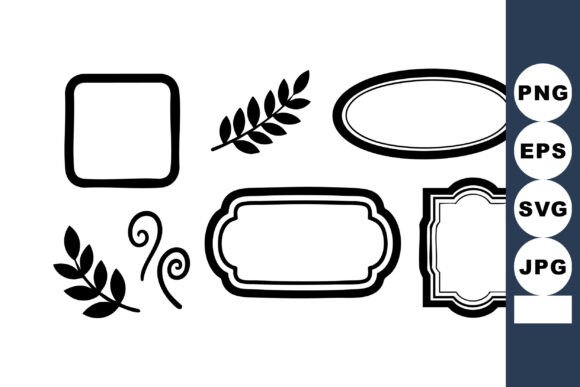
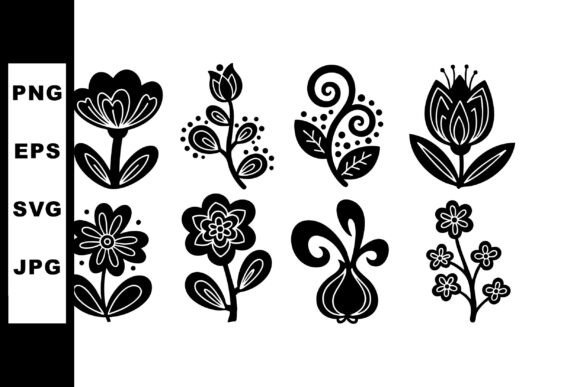
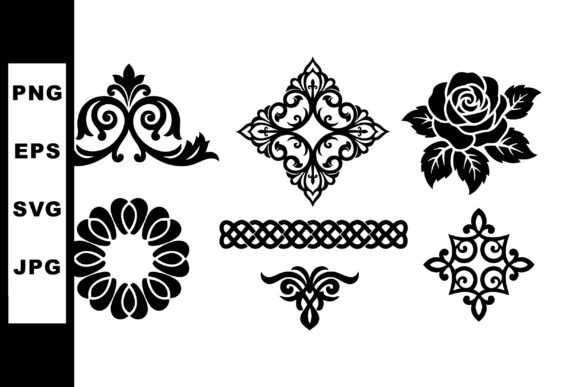
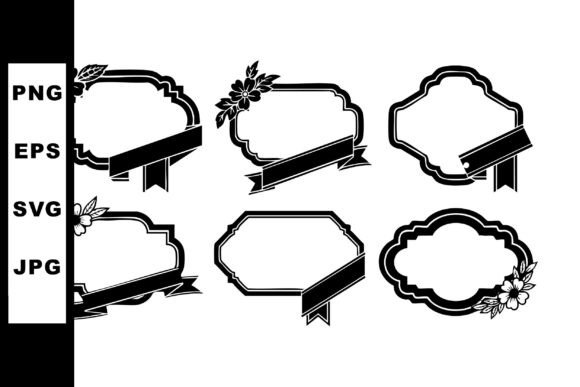
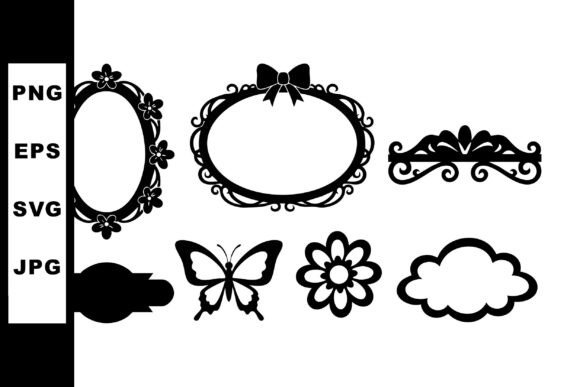
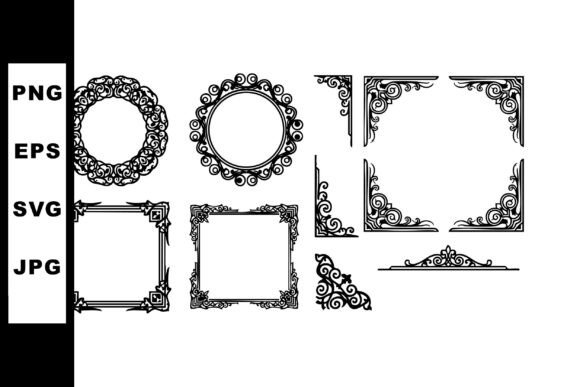
The specific collection known as Decorative Vintage Floral Frames and Orn is designed with versatility in mind. It typically includes intricate floral motifs, swirling vines, and structured corner pieces rendered in high-contrast black and white. The primary appeal lies in their adaptability; because they are vector-based (available in SVG and EPS formats), they can be scaled from a small business card logo to a large event backdrop without losing a single pixel of clarity.
Creators across various industries find value here. Marketers use them to add a touch of sophistication to social media graphics, while educators might use the borders to frame certificates or historical timelines. The "timeless" aspect means these designs do not succumb to fleeting trends, making them a safe investment for long-term branding. However, possessing the files is only the first step; knowing how to deploy them correctly is where many users stumble.
Common Mistakes That Undermine Design Quality
Even experienced designers can fall into traps when working with pre-made assets. The most frequent error involves ignoring file format capabilities. Many users download the entire ZIP package containing SVG, EPS, JPG, and PNG files, but then proceed to use the raster images (JPG or PNG) for print projects. While a 300 DPI PNG might look acceptable on a screen, it will often appear pixelated or blurry when printed on high-quality cardstock for invitations. This mistake directly affects the perceived value of your product or service.
Another significant oversight is poor color management. Since these frames are provided in black and white, there is a temptation to simply recolor them using basic software tools without considering contrast ratios. Slapping a bright neon green over a delicate vintage vine can destroy the intricacy of the line work, making the design look muddy and unreadable. Furthermore, some creators fail to check the stroke weight when scaling. If you shrink a complex floral frame too much for a small favicon or mobile icon, the fine lines may disappear entirely, leaving a blob of ink rather than a defined shape.
Finally, there is the issue of contextual mismatch. Using a heavy, baroque-style floral frame for a modern tech startup's landing page can create cognitive dissonance for the viewer. The ornamentation should support the message, not distract from it. Over-decorating a layout by using every single corner piece and border available in the set often clutters the whitespace, reducing readability and visual impact.
Strategic Approaches for Better Results
To avoid these pitfalls, start by auditing your project requirements before opening your design software. If your end goal is professional printing, such as wedding suites or product packaging, commit to using the SVG or EPS files. These vector formats allow your printer to render the lines at the highest possible resolution, ensuring crisp edges regardless of the final size. Reserve the JPG and PNG files strictly for web use, where file size and loading speed are priorities.
When modifying the colors, adopt a restrained palette. Instead of filling the entire frame with a solid color, consider keeping the lines black or dark gray and using color only in the background or specific accent elements behind the frame. This preserves the "vintage" aesthetic while allowing for brand customization. For example, a wedding invitation might feature a black floral frame on a cream background with gold foil text, whereas a blog header might use the same frame in a soft charcoal gray against a white background to maintain readability.
Always test your scale. Before finalizing a design, zoom out to 100% view or print a test copy on standard paper. Ask yourself: Can I still see the details of the flowers? Is the text inside the frame legible? If the answer is no, simplify. You do not need to use the full corner set; sometimes, using just two opposing corners creates a more dynamic and open composition than boxing the content in completely.
Checklist Before Downloading and Buying
Before you commit to downloading or purchasing a set like Decorative Vintage Floral Frames and Orn, perform a quick evaluation to ensure it meets your specific needs:
- Verify File Compatibility: Ensure your design software (e.g., Adobe Illustrator, Inkscape, Canva) supports the included vector formats. While SVG is widely supported, EPS is often preferred for professional print workflows.
- Inspect Line Complexity: Look closely at the preview images. Are the lines continuous and smooth? Avoid sets where the vectors appear jagged or overly simplified, as this indicates poor digitization of the original artwork.
- Check Licensing Terms: Even if a resource seems free or low-cost, verify the license. Can you use it for commercial client work? Are there restrictions on the number of prints? Understanding this prevents legal headaches later.
- Assess Versatility: Does the set include standalone elements (like individual flowers or swirls) in addition to full frames? Having modular pieces allows you to build custom layouts rather than being forced into a rigid box structure.
Making the Most of Your Design Investment
Ultimately, the value of Decorative Vintage Floral Frames and Orn lies in how well you integrate them into your broader visual strategy. These assets are tools to enhance communication, not just decoration. By respecting the technical limitations of file formats, maintaining stylistic consistency, and prioritizing readability, you transform a simple download into a powerful component of your brand identity.
Remember that elegance often comes from subtraction. Use these ornamental borders to guide the eye, frame key information, and add a layer of sophistication that resonates with your audience. Whether you are a freelancer building a portfolio or a small business owner crafting your first marketing flyer, taking the time to apply these elements thoughtfully will yield results that feel polished, professional, and enduring.