Integrating Decorative Black Wrought Iron Fence Panels into Architectural Workflows
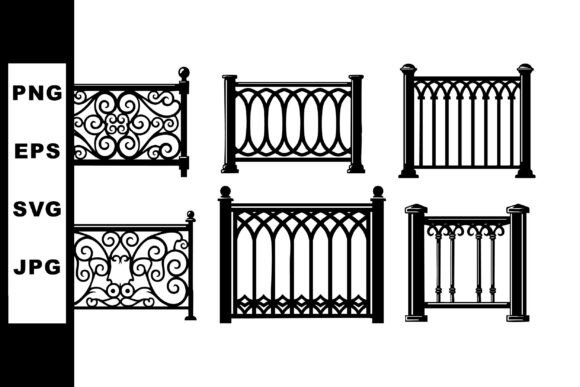
In the realm of architectural visualization and landscape design, the difference between a generic rendering and a compelling presentation often lies in the details. A decorative black wrought iron fence pane is more than just a boundary marker; it is a stylistic element that defines the character of a property. For professionals ranging from architects to digital artists, incorporating high-quality vector illustrations of these panels into a project requires a strategic approach. This guide explores how to effectively utilize a collection of six different decorative black wrought iron fence panels with intricate patterns to enhance architectural design projects, ensuring efficiency and visual consistency throughout your workflow.
Understanding the Asset and Its Role in Design
Before diving into implementation, it is crucial to understand what this specific asset offers. The downloadable ZIP package containing SVG, EPS, JPG, and PNG files provides versatility that static images cannot match. The core value here is the vector illustration format. Unlike raster images that pixelate when scaled, vector files allow you to resize the decorative black wrought iron fence pane to fit any dimension without losing clarity. This is essential for architectural design projects where a fence might need to span a large site plan or be zoomed in for a detailed elevation view.
The inclusion of six distinct patterns means you are not limited to a repetitive, monotonous look. Real-world fencing often varies to denote different zones or simply to add visual interest. By having multiple options, you can simulate a more organic and realistic environment. Whether you are designing a historic restoration, a modern luxury estate, or a conceptual urban space, these intricate patterns serve as a foundational layer that adds depth and elegance to the composition.
Pre-Production: Planning and Selection
Effective integration begins before you even open your design software. In the planning phase of a project, consider the narrative of the space you are creating. Is the goal to convey security, exclusivity, or historical charm? The choice of a specific decorative black wrought iron fence pane from the set should align with these goals.
Start by reviewing the six available patterns. Create a mood board or a quick sketch to determine which pattern best complements the building's façade and the surrounding landscape. This step prevents the common mistake of selecting a fence style that clashes with the architectural period of the main structure. For instance, a highly ornate, scroll-heavy panel might overwhelm a minimalist modern home, whereas a simpler geometric pattern could enhance it. By making these decisions early, you streamline the subsequent design process and reduce the need for revisions later.
Furthermore, consider the technical requirements of your output. If the final deliverable is a large-format print for a client presentation, prioritize the SVG or EPS files. If you are working on a web-based portfolio or a quick social media teaser, the high-resolution PNG or JPG files might suffice for initial drafts. Understanding the end-use case dictates which file format you extract from the ZIP archive first, optimizing your file management from the start.
Integration During the Design Process
Once the selection is made, the actual implementation begins. This is where the flexibility of the vector formats shines. When importing the decorative black wrought iron fence pane into software like Adobe Illustrator, AutoCAD, or SketchUp (via import plugins), you gain full control over the anchor points and paths.
Scaling and Adaptation
One of the primary advantages of using vector assets is the ability to scale infinitely. You can stretch a single pane to cover a long perimeter or shrink it for a small garden gate detail. However, maintain proportional integrity. While vectors handle scaling well, distorting the aspect ratio of an intricate pattern can make the ironwork look unnatural. Use the "pattern fill" or "array" functions in your software to repeat the selected pane seamlessly across the required length, ensuring the joints between panels are invisible.
Customization for Context
Rarely does a design element fit perfectly without minor adjustments. You may need to modify the height of the fence to match a specific wall or alter the spacing between pickets to comply with local zoning regulations depicted in your plan. Because these are editable vectors, you can ungroup the elements and tweak specific scrolls or bars. Perhaps you need to remove a section to create a driveway opening or add a custom gate post. This level of editability transforms a static stock image into a dynamic component of your design toolkit.
Layering and Depth
To achieve a realistic look, avoid placing the fence on a single flat plane. Utilize layers to separate the fence from the background vegetation and the foreground pavement. Adding a subtle drop shadow or adjusting the opacity slightly can help the decorative black wrought iron fence pane sit naturally within the scene. If you are creating a 3D render, these 2D vectors can serve as displacement maps or texture references to add surface detail to 3D models, bridging the gap between 2D illustration and 3D realism.
Post-Production and Quality Control
After the design is assembled, the focus shifts to quality control and output optimization. This stage ensures that the intricate details of the ironwork remain crisp and that the file sizes are manageable for delivery.
- Visual Consistency: Review the entire layout to ensure that the lighting direction on the fence matches the rest of the scene. If the sun is hitting the building from the left, the shadows cast by the fence panels should align accordingly. Inconsistent lighting breaks immersion and reduces the professional quality of the work.
- File Optimization: If delivering a digital PDF or web image, ensure the vector data is simplified if necessary to prevent slow loading times, but not so much that the fine details of the wrought iron are lost. For print, verify that the black values are rich (often 100% K or a rich black mix depending on the printer profile) to give the iron a solid, heavy appearance.
- Format Conversion: If the client requires specific formats not included in the original set, now is the time to export. The source SVG and EPS files allow you to generate any derivative format needed, ensuring you always have a master copy to return to.
Workflow Efficiency and Long-Term Utility
Incorporating assets like this into your regular workflow builds a library of reliable resources. Instead of searching for new fence images for every project, having a curated pack of six high-quality decorative black wrought iron fence panels saves significant time. This consistency also helps in developing a recognizable style for your firm or brand.
Organization is key to long-term utility. Store the downloaded ZIP in a dedicated "Site Elements" or "Architectural Details" folder within your asset management system. Tag the files with keywords such as "fence," "wrought iron," "boundary," and "elevation" to ensure they are easily retrievable for future projects. When starting a new task, you can quickly assess if one of these existing panels fits the brief, reducing the time spent on sourcing and vetting new assets.
Moreover, these assets facilitate better collaboration. When working with a team, using standardized vector assets ensures that everyone is working with the same high-resolution source material. This eliminates issues where one team member uses a low-res JPG while another uses a vector, leading to inconsistencies in the final composite. Clear communication about which panel variation is used (e.g., "Pattern 3 for the rear boundary") streamlines the feedback loop with clients and contractors.
Maximizing Value Across Different Projects
The utility of these vector illustrations extends beyond traditional architecture. Graphic designers creating branding materials for real estate developments can use the decorative black wrought iron fence pane as a motif in logos or brochures to evoke a sense of prestige and security. Educators teaching CAD or design principles can use these files as practice subjects for students to learn about pathfinding, anchoring, and pattern creation.
For entrepreneurs and small business owners in the landscaping sector, these visuals are invaluable for proposals. A clear, elegant illustration of the proposed fencing helps clients visualize the finished product, often leading to faster approval and fewer misunderstandings regarding the aesthetic outcome. The ability to show six different options allows you to present choices rather than a single solution, empowering the client to participate in the design decision.
Ultimately, the successful use of a decorative black wrought iron fence pane relies on treating it as a flexible tool rather than a static picture. By understanding its vector nature, planning its application carefully, and integrating it smoothly into your digital pipeline, you elevate the quality of your architectural design projects. The result is a professional, polished presentation that effectively communicates your vision and stands up to the scrutiny of discerning clients and peers.